

Not Standing Up For Yourself
SORRY – WHEN IT’S NOT YOUR FAULT
When you took the quiz, the answers came back to one pattern: You don’t stand up for
yourself. You apologise even when it’s not your fault.
That probably landed hard. Maybe it felt like a huge judgement. Just a second though…
Five minutes and a quiz result doesn’t give it the weight it deserves – or acknowledge the why behind what you do. And there is one.
And actually, it’s brilliant.
As a tiny child, you learned that the safest thing to do was to pre-emptively abandon yourself.
Before anyone could reject you, you rejected yourself. Before anyone could point out the mistake, you’d already named it, out loud, with an apology, to try and soften the anticipated hurt.
Sorry – I know this is a silly question…
Sorry, ignore me, it doesn’t matter…
You’re right, I didn’t think about it properly…
Not because you believed any of that.
Because getting there first felt safer than waiting for someone else to judge and reject you.
I notice it in the small moments, working with women who carry this one:
You get an idea in a meeting, turn it over (twice), revise it once more, offer it so
quietly nobody notices – and five minutes later, someone else says the same thing,
and gets the nod.
The evening plan agreed to before you’d even registered your own hesitation. The
apology for something that was never your fault, offered so automatically you don’t
notice you’ve said it.
It kept you safe once, beating them to it. Now, it just feels like even you reject yourself. All. The. Time.
The first step to recovery isn’t learning to stop apologising overnight.
It’s noticing those little self-rejections to make someone else feel better. The sorry that is a denial of something about you and your absolute right to be here, right now and in this place.
That YOU deserve to take up space.
The people worth keeping close are never going to reject you for having a need, an opinion, or a Thursday where you’re simply not okay.
Maybe, there’s a tiny yes to yourself, that could come before the automatic yes to
everyone else – and letting that tiny yes count for something. So you can finally stop
apologising for taking up space.
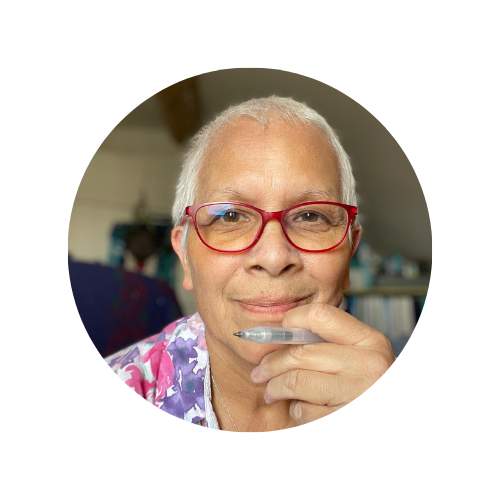
Kim Lee-Own has worked as a therapist and coach for 20+ years, helping clients stop using people-pleasing behaviours and find their own voice and space in the world focusing on what their own inner wisdom tells them – instead of trying to follow other peoples’ rules.